How Often Should You Repaint the Exterior of a Home in Oregon?

Oregon is beautiful, but it is not gentle on exterior paint. Between steady rain, damp winters, moss growth, cloudy days, and seasonal temperature swings, your home’s siding takes a beating year after year. Repainting at the right time is not just about curb appeal; it helps protect your home from moisture damage, wood rot, and costly repairs.
In this guide, you’ll learn how often Oregon homeowners should repaint, what affects your timeline, and how to spot the signs that your exterior is ready for a fresh coat.
The Average Repainting Timeline in Oregon
Most Oregon homes need exterior repainting every 5 to 10 years, depending on the siding material, paint quality, prep work, and exposure to weather. Homes in wetter areas or shaded neighborhoods may need paint sooner because moisture can linger on siding and trim.
If you live near Gresham, Portland, or other parts of northwest Oregon, rain and humidity are major factors. Working with an exterior house painter in Gresham Oregon can help you choose products and prep methods suited for the local climate. For homeowners comparing Gresham OR residential painting services, the key is to look beyond price and ask how the contractor handles cleaning, scraping, caulking, priming, and moisture protection. A trusted painting company will not just apply paint; it will prepare the surface properly so the finish lasts.
Here is a general guide:
- Wood siding: Every 4 to 7 years
- Fiber cement siding: Every 8 to 12 years
- Stucco: Every 6 to 10 years
- Brick exterior paint: Every 10 to 15 years
- Vinyl siding paint: Every 7 to 10 years
These are averages, not hard rules. A home with strong sun exposure, poor drainage, or old paint may need attention sooner.
Why Oregon Weather Shortens Paint Life
Oregon’s damp climate is one of the biggest reasons exterior paint wears down faster. Rain does not just make siding wet. It can work its way into small cracks, gaps, and exposed wood fibers. Once moisture gets behind paint, peeling and bubbling often follow.
Shade can also create problems. Homes surrounded by trees may stay wet longer after storms. That extra moisture can encourage mildew, algae, and moss, especially on north-facing walls.
Sun exposure matters too. South- and west-facing walls often fade faster because they receive more direct sunlight. So while one side of your home may look fine, another side may show chalking, fading, or cracking years earlier.
Signs Your Home Needs Repainting
You do not always need to wait for the full repainting timeline. Your house will usually show warning signs when the paint is failing.
Look for:
- Peeling, cracking, or bubbling paint
- Faded or uneven color
- Exposed bare wood
- Soft or rotting trim
- Gaps around windows, doors, or siding joints
- Mildew or dark staining that keeps returning
- Chalking, where paint leaves a powdery residue on your hand
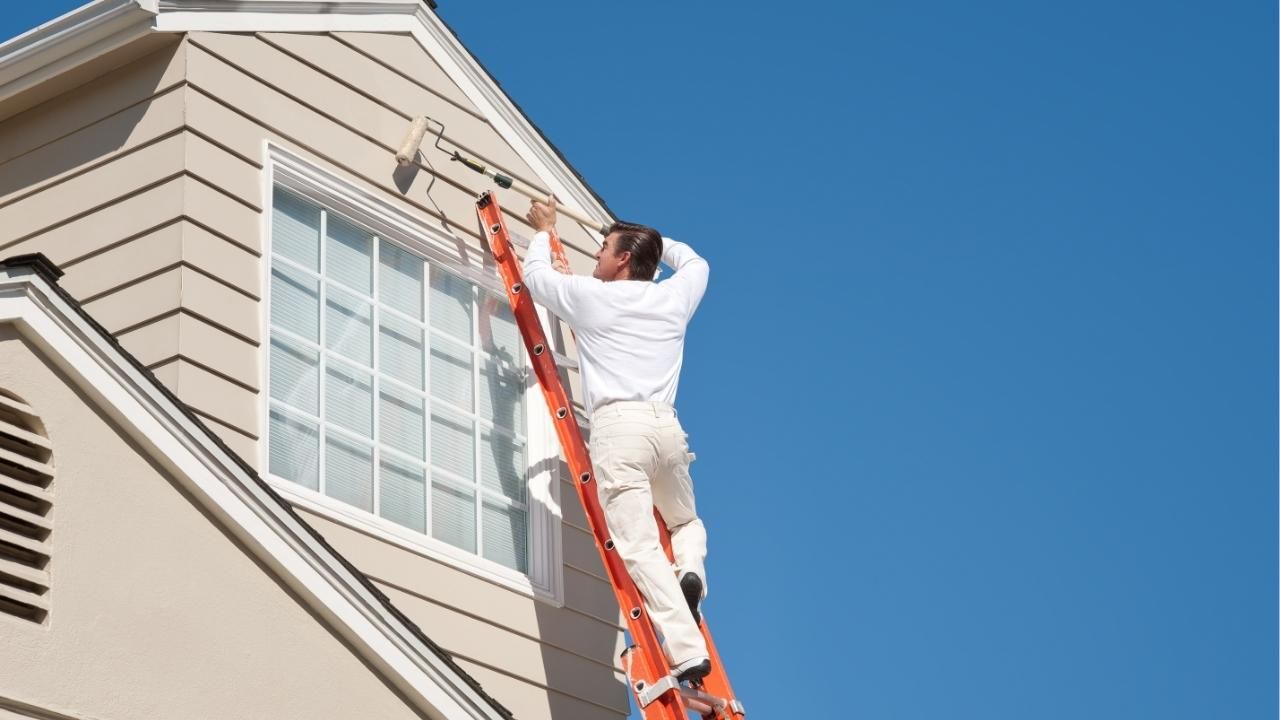
Small issues can often be handled with touch-ups, but widespread peeling or exposed siding usually means a full repaint is due. Waiting too long can turn a paint job into a repair project.
How to Make Exterior Paint Last Longer
A long-lasting exterior paint job starts before the first coat goes on. Prep work matters more than many homeowners realize. The surface should be washed, scraped, sanded, caulked, patched, and primed where needed.
Choose high-quality exterior paint made for wet climates. Cheap paint may save money upfront, but it often fades and fails faster. It is also smart to schedule painting during a dry weather window, since moisture trapped under paint can cause early failure.
Homeowners can also extend paint life by:
- Cleaning siding once or twice a year
- Trimming shrubs away from the house
- Keeping gutters clear
- Fixing leaks quickly
- Checking caulking around windows and doors
- Touching up small damaged areas before they spread
Short Case Study: A Gresham Homeowner’s Wake-Up Call
A homeowner in Gresham noticed peeling paint on one side of the house but ignored it for two winters. By spring, several trim boards had softened, and paint was lifting near the window frames. What could have been a straightforward repaint became a larger job involving wood repair, primer, and extra prep. After the home was properly cleaned, repaired, caulked, and painted with a moisture-resistant exterior product, the finish looked sharp and held up better through the next rainy season. The lesson was simple: repainting on time is cheaper than waiting for damage.
Final Thoughts
In Oregon, most homes should be repainted every 5 to 10 years, but weather exposure, siding type, and paint quality can shift that timeline. The best approach is to inspect your exterior every year, especially after winter. If you see peeling, fading, cracked caulk, or exposed wood, it may be time to act before moisture causes deeper damage.
For a cleaner, longer-lasting finish, schedule an exterior painting estimate before small paint problems become expensive repairs.