What to Expect Before, During, and After an Interior Painting Project

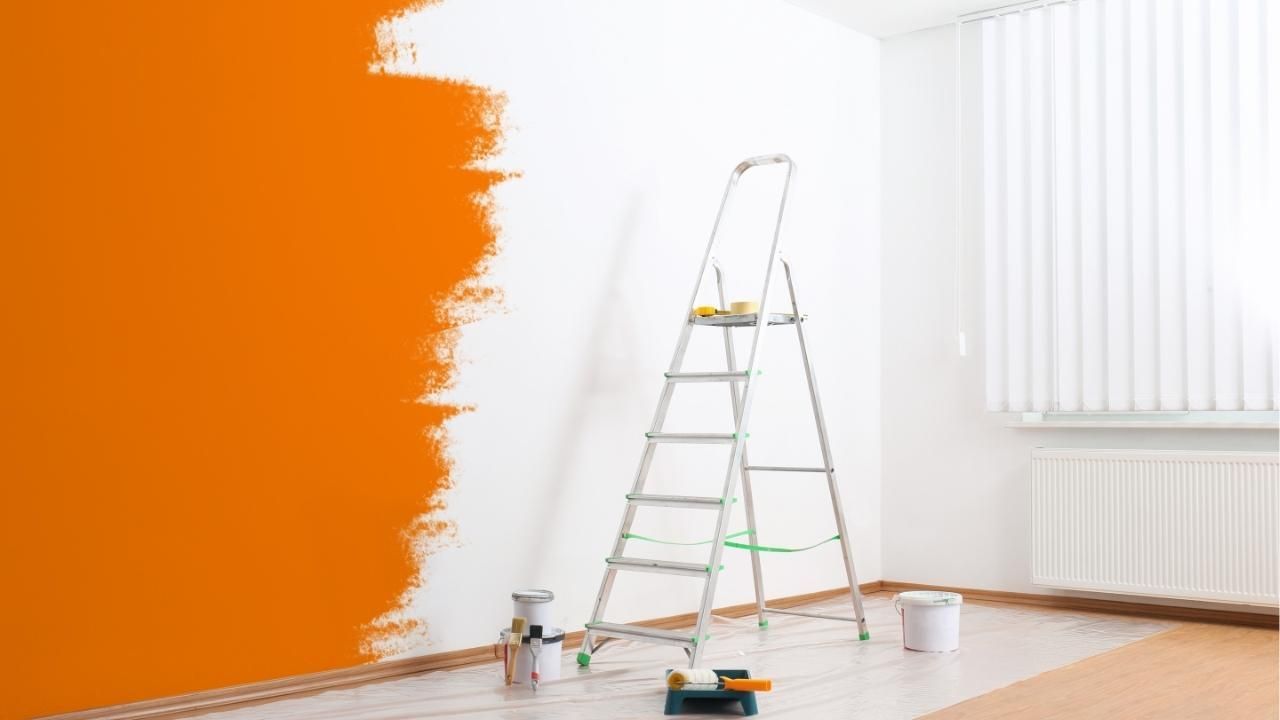
Fresh paint can completely change how your home feels. It’s one of the fastest ways to upgrade your space, yet many homeowners walk in unprepared and end up stressed halfway through the process.
If you’re planning a repaint, knowing what happens at each stage makes a big difference. In this guide, you’ll learn exactly what to expect before, during, and after an interior painting project, so there are no surprises and no regrets.
Before the Project: Planning Sets the Tone
A smooth painting job starts long before the first brush touches the wall. This is where most of the success (or failure) is decided.
Hiring the right team matters. Many homeowners start by researching Gresham OR residential painting services and comparing quotes, timelines, and reviews. At this stage, you’ll also likely consult an interior house painter in Gresham OR to discuss color choices, finishes, and prep work.
Here’s what typically happens before the project begins:
- Color Selection: Test samples on your walls under different lighting conditions
- Surface Inspection: Walls are checked for cracks, holes, or stains
- Furniture Planning: Decide what stays, what moves, and what needs covering
- Scheduling: Set clear expectations for start and completion dates
A local painting expert will guide you through these decisions and flag potential issues early, saving time and money later.
The better your prep, the smoother everything else becomes.
During the Project: What Happens Day-to-Day
Once the project kicks off, things move quickly and sometimes messily. But don’t worry, that’s part of the process.
Professional painters follow a structured approach:
1. Preparation Comes First
Before any paint is applied, the team will:
- Cover floors and furniture with drop cloths
- Tape edges for clean lines
- Sand and patch imperfections
- Prime surfaces if needed
This stage can take longer than expected, but it’s critical for a flawless finish.
2. Painting Begins
After prep, the actual painting starts:
- Ceilings are usually done first
- Walls come next
- Trim and details are finished last
Depending on the size of your space, this may take a few days. You might notice strong odors, so ventilation is important.
3. Communication Matters
Good painters will keep you updated:
- Progress reports
- Any unexpected issues
- Adjustments to timelines
If something looks off, speak up early. It’s easier to fix mid-project than after everything dries.
After the Project: The Final Touches
Once the last coat dries, the job isn’t quite done yet. The finishing phase is where everything gets polished.
Here’s what to expect:
- Final Walkthrough: You inspect the work with the contractor
- Touch-Ups: Minor fixes are handled on the spot
- Cleanup: Drop cloths removed, debris cleared, furniture returned
- Drying Time: Paint may take days or weeks to fully cure
Don’t rush to hang artwork or move furniture back immediately. Give the paint time to settle to avoid marks or damage.
Case Study: A Smooth Painting Experience
A homeowner in Gresham wanted to refresh their living room and kitchen before hosting family for the holidays. They hired a professional team and followed a clear plan: choosing colors early, moving furniture ahead of time, and setting realistic expectations.
During the project, minor wall damage was discovered, but because the contractor flagged it early, it was repaired without delaying the schedule. The entire job was completed in four days.
The result? A clean, modern space that looked brand new and zero last-minute stress before their event.
Make Your Next Painting Project Stress-Free
Interior painting doesn’t have to be chaotic or overwhelming. When you know what to expect at every stage, you stay in control and the results speak for themselves.
If you’re ready to transform your space, now’s the perfect time to get in touch with professionals who prioritize preparation, communication, and quality from day one.