Trim and Baseboard Painting: The Secret to a Polished Interior Look

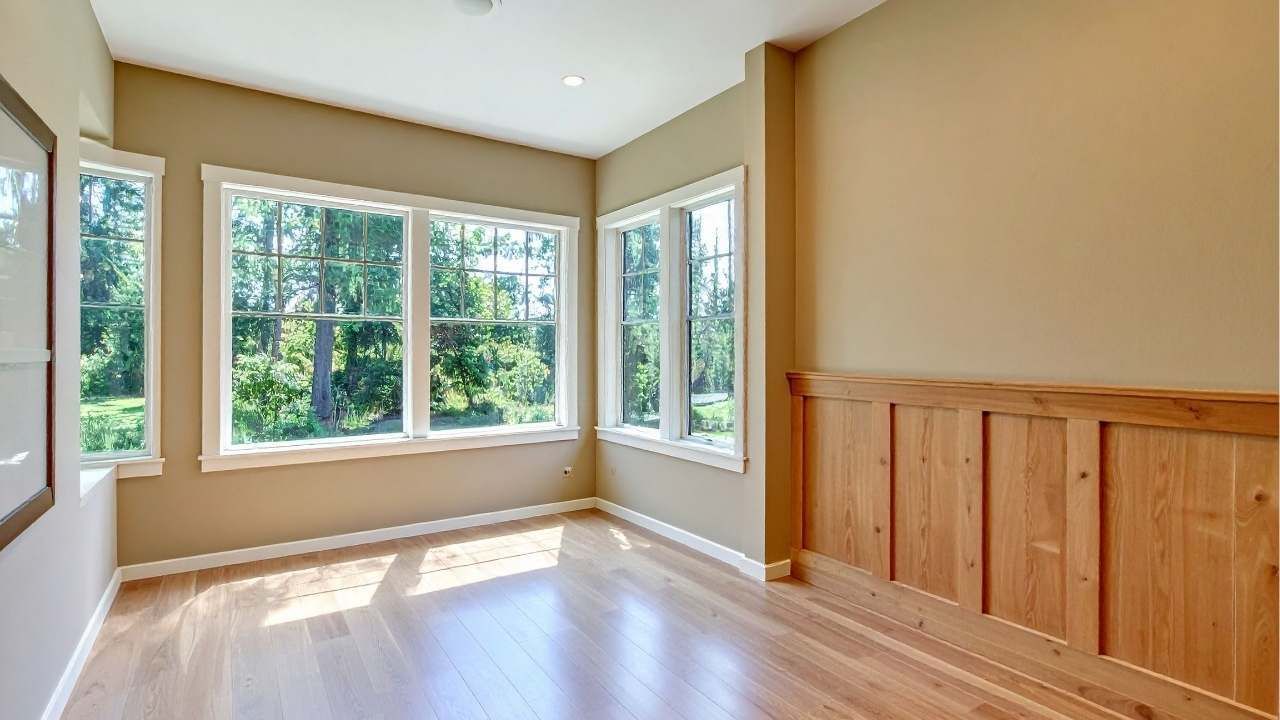
Walk into any beautifully finished home, and you’ll notice something subtle, but powerful. It’s not just the wall color or the furniture. It’s the crisp, clean trim and baseboards that quietly tie everything together.
In this guide, you’ll learn why trim and baseboard painting makes such a big difference, how it elevates your space, and what it takes to get that flawless, professional finish.
Why Trim and Baseboards Matter More Than You Think
Trim and baseboards are like the frame around a painting. They define the space, create contrast, and give your interiors that “finished” look most homeowners want but can’t quite pinpoint.
If your trim is chipped, faded, or outdated, it drags down the entire room, even if your walls look perfect. That’s why many homeowners turn to an interior house painter in Gresham OR to bring those details back to life.
Here’s what properly painted trim does:
- Creates sharp, clean lines between surfaces
- Enhances wall color and overall design
- Makes rooms look brighter and more refined
- Adds value to your home without a full remodel
It’s a small upgrade with a surprisingly big visual payoff.
The Difference Between DIY and Professional Results
Painting trim sounds simple, until you actually try it. The edges, corners, and narrow surfaces require precision. One slip, and suddenly your clean wall line is ruined.
That’s where searching for a “painting contractor near me in Gresham OR” starts to make sense. Professionals don’t just paint; they prep, sand, prime, and apply paint in a way that ensures durability and consistency.
Here’s what sets pros apart:
- Smooth, even finishes without brush marks
- Proper surface prep to prevent peeling
- Clean, sharp edges with no paint bleed
- Efficient work that saves you time and frustration
A local painting expert understands the tools, techniques, and materials needed to get it right the first time.
Choosing the Right Paint and Finish
Not all paint is created equal, especially when it comes to trim and baseboards. These areas take more abuse than your walls, from foot traffic to cleaning.
The key is choosing the right finish:
- Semi-gloss: Most popular; durable and easy to clean
- Gloss: High shine, very durable, but shows imperfections
- Satin: Softer look, but less resistant to wear
Color matters too. While white remains the classic choice, more homeowners are experimenting with:
- Soft grays for a modern feel
- Dark trims for bold contrast
- Matching trim and wall colors for a seamless look
The right combination can completely change how your space feels.
The Process Behind a Flawless Finish
Getting that polished look isn’t about rushing, it’s about doing things in the right order.
A proper trim painting job typically includes:
- Cleaning and sanding surfaces
- Filling gaps, dents, or nail holes
- Applying primer if needed
- Carefully painting with steady, controlled strokes
- Allowing proper drying time between coats
Skipping any of these steps leads to uneven results. That’s why professional painters focus heavily on prep, it’s where the real quality comes from.
Case Study: A Simple Upgrade That Transformed a Home
A homeowner in Gresham had freshly painted walls but still felt something was off. The culprit? Yellowing, scuffed baseboards that hadn’t been touched in years.
Instead of repainting everything, they focused solely on the trim and baseboards. Within two days, the transformation was obvious. The rooms looked brighter, cleaner, and more modern, without changing furniture or decor.
Guests noticed immediately. What seemed like a minor detail turned out to be the finishing touch the home needed.
Final Thoughts: Small Details, Big Impact
Trim and baseboard painting isn’t flashy, but it’s one of the smartest upgrades you can make. It sharpens your space, elevates your design, and gives your home that polished, professional feel.
If your interiors feel “almost there” but not quite right, this might be the missing piece.
Ready to upgrade your space? Reach out to a trusted painting professional and give your home the clean, finished look it deserves.