The Lifespan of Paint: When to Repaint Your Home’s Interior and Exterior

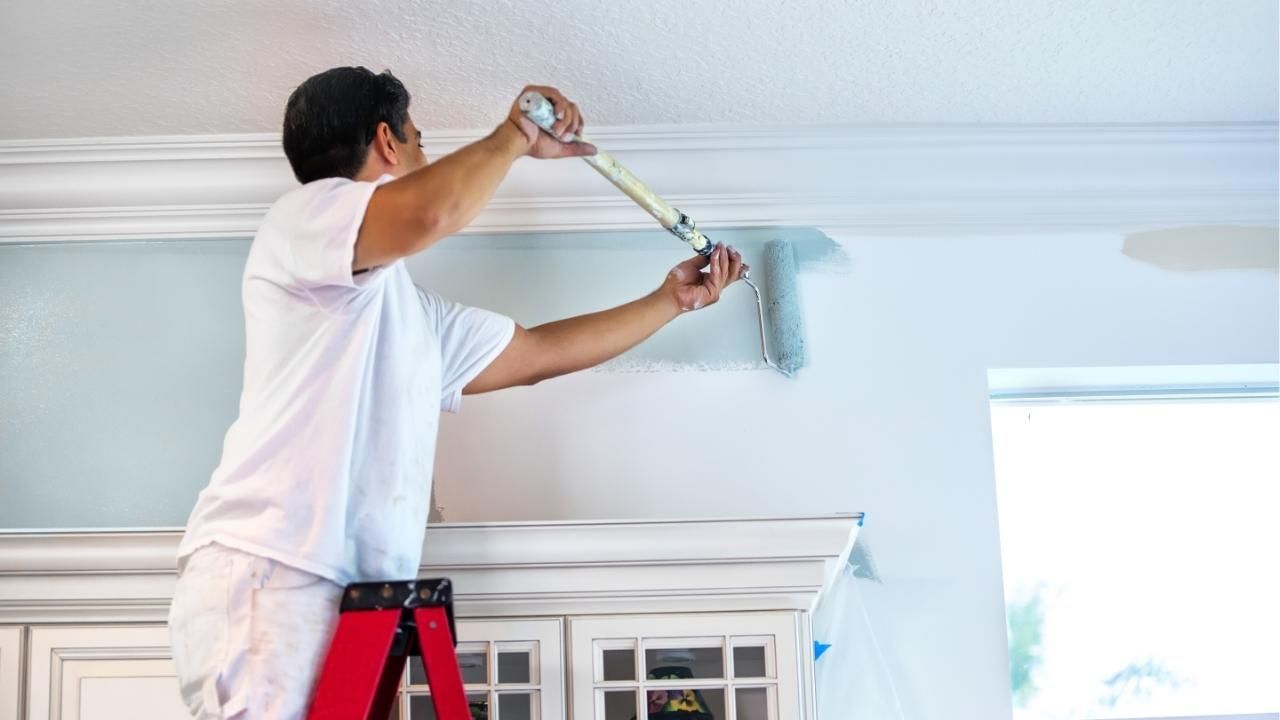
Fresh paint does more than make your home look good. It protects your investment, sets the mood inside, and quietly boosts curb appeal outside. The problem? Most homeowners wait too long to repaint, and that delay can cost more than the paint job itself.
In this guide, you’ll learn how long interior and exterior paint really lasts, the warning signs you shouldn’t ignore, and how to plan your next repaint the smart way. If you’ve been debating whether it’s time to call a house painter Gresham Oregon homeowners trust, this will give you clarity.
Many property owners search for an exterior house painter in Gresham Oregon only after peeling or cracking becomes obvious, but by then, the surface may already need extra prep work. A proactive approach to interior and exterior painting saves money and keeps your home looking sharp year-round.
Let’s break it down.
How Long Does Interior Paint Last?
Interior paint generally lasts 5 to 10 years, but that range depends heavily on the room.
Here’s a quick breakdown:
- Living rooms & dining rooms: 5–7 years
- Bedrooms: 7–10 years
- Kitchens & bathrooms: 3–5 years (moisture and grease take a toll)
- Hallways & high-traffic areas: 2–4 years
Why the difference? Wear and tear. High-traffic areas collect scuffs, fingerprints, and dents. Kitchens deal with steam and cooking residue. Bathrooms fight humidity daily.
Signs It’s Time to Repaint Indoors
Watch for:
- Fading or dull color
- Cracks or bubbling
- Stains that won’t wash off
- Visible scuff marks
- Peeling around trim or ceilings
Even if the paint isn’t failing structurally, dated colors can make your home feel older than it is. A modern refresh can dramatically change the energy of a space without a full remodel.
How Long Does Exterior Paint Last?
Exterior paint has a tougher job. It battles rain, wind, UV rays, temperature swings, and airborne debris. On average, expect 5 to 10 years, depending on materials and climate.
- Wood siding: 3–7 years
- Aluminum siding: 5–10 years
- Fiber cement: 10–15 years
- Stucco: 5–10 years
Homes exposed to heavy sun or moisture may need repainting sooner. Quality paint and professional prep make a massive difference.
Exterior Warning Signs You Shouldn’t Ignore
Pay attention to:
- Peeling or flaking paint
- Cracked caulking
- Fading or chalky residue
- Warped or exposed wood
- Mildew or dark streaks
Peeling paint isn’t just cosmetic. Once protective layers fail, moisture can seep into siding and trim, leading to rot and costly repairs.
Case Study: A Costly Delay
A homeowner in a suburban neighborhood noticed minor peeling on their trim but decided to “wait another year.” That year turned into three. When they finally scheduled repainting, the contractor discovered water damage behind several boards. What should have been a straightforward repaint turned into siding repairs, wood replacement, and a higher labor bill.
The total cost doubled.
Had they repainted when the first signs appeared, the surface would have remained sealed and protected. The lesson? Paint is protection. Delaying maintenance rarely saves money.
Factors That Affect Paint Lifespan
Not all paint jobs age the same. Here’s what influences durability:
- Surface preparation – Poor prep leads to early failure.
- Paint quality – Premium products last longer.
- Climate – Moisture, sun exposure, and freeze-thaw cycles matter.
- Application technique – Even coats and proper drying time are critical.
- Maintenance habits – Regular cleaning extends lifespan.
Investing upfront in proper prep and quality materials almost always pays off long term.
When Is the Right Time to Repaint?
Ask yourself:
- Has it been more than 7 years since your last exterior paint job?
- Do rooms look dull even after cleaning?
- Are you planning to sell within the next 1–2 years?
- Are small cracks starting to show?
If you answered yes to any of these, it’s time to seriously consider repainting.
Spring and early fall are ideal for exterior projects due to mild temperatures. Interior painting can be done year-round, making it easier to schedule when life allows.
Protect Your Home Before Problems Start
Paint isn’t just decoration, it’s your home’s first line of defense. Waiting for obvious damage is risky and expensive. Instead, treat repainting as preventative maintenance.
Walk around your home this week. Check trim, siding, ceilings, and high-traffic walls. If you see early warning signs, schedule an evaluation before minor wear turns into major repairs.
A timely repaint today can save thousands tomorrow. Contact us to get started,